top of page
The Evolution of Jersey's Architecture by Jessica Lightbody, Interior Designers Jersey
The Evolution of Jersey's Architecture by Jessica Lightbody

A Journey Through Centuries & Unveiling The Evolution of Jersey’s Architecture. Preserving Heritage, Property Styles, and Island Identity, By Jessica Lightbody – Interior Architecture & Design, Jersey Channel Islands


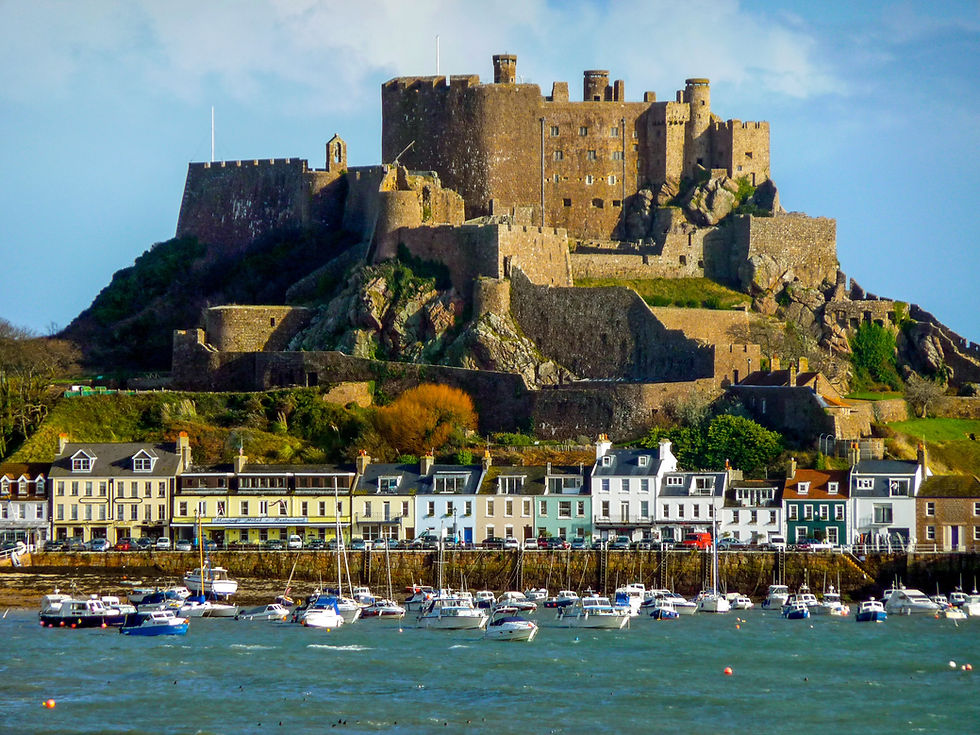
Jersey, the largest of the Channel Islands, occupies a singular place in British and European history. Shaped by Neolithic settlers, Norman rule, English governance, and strong French cultural influence, the island’s architectural evolution is unlike anywhere else in the British Isles. From ancient dolmens and granite farmhouses to elegant Georgian townhouses and refined Victorian villas, Jersey’s built environment tells a layered and fascinating story of resilience, craftsmanship, and adaptation.

In this blog, we journey through the centuries to explore Jersey’s architectural heritage and property styles, examining how history, geography, and culture have shaped the island’s homes, and why preserving them today requires a deep understanding of both tradition and modern living.


Ancient Jersey | Prehistoric Settlements and Vernacular Foundations

Jersey’s architectural story begins long before written history. The island is home to some of the oldest standing structures in Europe, including Neolithic dolmens such as La Hougue Bie, one of the best-preserved prehistoric sites in Western Europe.

Early dwellings were constructed using locally quarried granite, earth, timber, and thatch, responding directly to the island’s climate and available resources. These simple yet enduring structures formed the foundation of Jersey’s vernacular architecture, robust, practical, and deeply connected to the land.

This early emphasis on durability and local materials would continue to define Jersey property styles for centuries to come.


Medieval Jersey | Norman Influence and Fortified Architecture

The medieval period brought profound architectural change to Jersey. Under Norman rule, defensive architecture became a defining feature of the landscape. Castles, churches, and fortified manor houses were constructed using the island’s signature granite, giving Jersey its unmistakably solid and grounded aesthetic.

Parish churches emerged as focal points of community life, often expanded and adapted over time. Domestic buildings remained modest but well-built, with thick walls, small openings, and practical layouts designed to withstand coastal winds and island living. Many medieval elements can still be found embedded within later period homes across Jersey, particularly in rural parishes.


Tudor & Stuart Jersey | Farmhouses, Granite Elegance, and Rural Identity

While Jersey did not experience Tudor architecture in the same way as mainland England, the 16th and 17th centuries saw the development of the traditional Jersey farmhouse, now one of the island’s most recognisable property types.

These homes were typically built in granite, with asymmetric layouts, steep roofs, small-paned windows, and large hearths at their heart. Interiors were practical yet characterful, often evolving organically over generations.

This period reflects Jersey’s strong agricultural heritage, and many of these farmhouses remain today, sensitively restored or adapted for contemporary living while retaining their historic soul.


Georgian Jersey | Proportion, Refinement, and Urban Growth

The Georgian era marked a period of prosperity and urban expansion for Jersey, particularly in St Helier. Trade, maritime activity, and growing political stability led to the construction of elegant townhouses, terraces, and civic buildings.

Georgian architecture introduced symmetry, proportion, and classical restraint to the island. Sash windows, refined stone detailing, balanced façades, and formal room layouts became increasingly common.

Interiors followed suit, with decorative plasterwork, panelled walls, and carefully considered spatial hierarchies, many of which remain highly sought after features in Jersey homes today.


Victorian Jersey | Confidence, Craftsmanship, and Decorative Detail

The Victorian era brought confidence and architectural richness to Jersey. Improved transport links and economic growth encouraged the development of villas, schools, hotels, and public buildings across the island.

Architectural styles diversified, incorporating Gothic Revival elements, ornate brick and stone detailing, bay windows, and decorative ironwork. Interiors became more expressive, with layered colour palettes, patterned tiles, detailed joinery, and statement staircases.

Many Victorian homes in Jersey continue to offer generous proportions and period detail, making them ideal candidates for thoughtful restoration and interior architectural enhancement.


Edwardian Jersey | Light, Space, and Arts & Crafts Influence

Edwardian architecture softened the formality of the Victorian period, favouring lighter interiors, larger windows, and a closer relationship between house and garden.

Arts and Crafts principles gained traction, celebrating craftsmanship, natural materials, and honest construction. In Jersey, this translated into well-crafted homes with characterful details, flowing layouts, and an emphasis on comfort and liveability.

These properties are particularly well-suited to sensitive modernisation that respects original features while enhancing functionality.


Modern Jersey | Art Deco, Post-War Architecture & Contemporary Design

The 20th century introduced bold new ideas to Jersey’s architectural landscape. Art Deco made its mark through cinemas, hotels, and select residential buildings, characterised by geometric forms and streamlined elegance.

Post-war development brought more modest housing solutions, while the late 20th and early 21st centuries have seen a rise in contemporary architecture focused on sustainability, coastal views, and modern materials.

Today, Jersey balances heritage preservation with innovative design, creating opportunities for thoughtful architectural interventions that honour the past while embracing the future.


Preserving History & Enhancing Island Living

Period Property Interior Architecture & Design in Jersey with Jessica Lightbody

Owning a period property in Jersey is both a privilege and a responsibility. These homes carry centuries of history, craftsmanship, and island identity, and preserving them requires a specialist understanding of architectural heritage, planning sensitivity, and refined design expertise.

Jessica Lightbody is a professionally qualified and accredited interior architect and designer specialising in period properties. With deep expertise spanning from the 17th to the 20th century, Jessica works seamlessly across British and French-influenced interior styles, making her uniquely positioned to work within Jersey’s architectural context.


Expertise Across the Centuries

From granite farmhouses and Georgian townhouses to Victorian villas and Edwardian residences, Jessica Lightbody brings academic rigour and creative insight to every project. Her work respects original proportions, materials, and detailing while subtly integrating modern comforts, technology, and contemporary living requirements.


The 17th & 18th Centuries | Authenticity with Refinement

Jessica’s expertise in early British and French interior architecture allows her to reintroduce period-appropriate elements such as oak panelling, lime plaster finishes, stone flooring, and classical detailing, all adapted thoughtfully for modern island lifestyles.


Victorian & Edwardian Interiors | Character Meets Comfort

Whether restoring decorative cornicing, rebalancing layouts, or enhancing natural light, Jessica ensures Victorian and Edwardian homes retain their elegance while becoming practical, functional spaces for modern families.


The 20th Century & Beyond | Heritage with Modern Intelligence

From Art Deco influences to mid-century restraint, Jessica’s approach bridges heritage and innovation, ensuring Jersey homes evolve without losing their identity.


Jersey’s Architectural Legacy, Thoughtfully Preserved

The Evolution of Jersey’s Architecture | Jersey’s architecture is a living record of its extraordinary past, shaped by land, sea, and centuries of cultural exchange. Preserving this legacy requires more than decoration; it demands architectural sensitivity, historical knowledge, and a clear design vision.


Through her work in interior architecture and period property design in Jersey, Channel Islands, Jessica Lightbody ensures that historic homes continue to tell their stories, beautifully, intelligently, and authentically


interior designers Jersey, Interior architects Jersey, award winning interior designers Jersey, interior architecture Jersey, Channel Islands interior architects Jersey, Channel Islands interior design Jersey, Channel Islands interior designers Jersey, Channel Islands interior designers Jersey Channel Islands interior design Jersey Channel Islands UK Interior design Jersey, Channel Islands Interior decorator Jersey, Channel Islands Jersey interior designers Home decor Jersey, Channel Islands Interior styling Jersey, Channel Islands Jersey home design Interior renovation Jersey, Channel Islands Jersey interior decorating Modern interior design Jersey, Channel Islands Contemporary interior design Jersey, Channel Islands Residential interior design Jersey, Channel Islands Commercial interior design Jersey, Channel Islands Interior design services Jersey, Channel Islands Jersey interior design trends Best interior designers in Jersey, Channel Islands, #JerseyInteriors #PeriodProperty #HeritageDesign #InteriorArchitecture #ChannelIslands #LuxuryInteriors #TimelessDesign #JessicaLightbodyDesign

Natural light and open horizons along Jersey’s shoreline, informing calm, coastal-led interior design and interior architecture.
St Aubin, Jersey Channel Islands | Interior Design in Jersey

The Jersey Channel Islands offer a unique architectural landscape shaped by coastal living, historic farmhouses, granite cottages, and contemporary waterfront homes. Interior architecture and interior design in Jersey must respond to planning constraints, heritage considerations, and the island’s refined lifestyle expectations.

In this in-depth Q&A, Jessica Lightbody Design Jersey explores the most frequently asked questions surrounding interior architecture and interior design in Jersey, helping homeowners, developers, and investors understand how to maximise space, value, and design quality.


Q1: What is the difference between interior architecture and interior design?

Interior architecture focuses on the structural planning and spatial reconfiguration of a building’s interior. This includes layout optimisation, wall placement, circulation, ceiling heights, joinery integration, lighting planning, and how the interior relates to the building’s architecture.


Interior design, by contrast, concentrates on aesthetic layers, materials, finishes, colour palettes, furniture, soft furnishings, and styling.

In Jersey, the most successful projects integrate both disciplines from the outset, ensuring the interior not only looks beautiful but functions seamlessly within the island’s unique property types.


Q2: Why is interior architecture particularly important in Jersey properties?

Many Jersey homes fall into one of three categories:

  • Period or heritage properties

  • Farmhouses and granite cottages

  • High-value coastal or waterfront homes

  • These buildings often have thick walls, irregular layouts, low ceilings, or planning constraints. Interior architecture allows designers to:

  • Improve natural light flow

  • Modernise layouts while respecting character

  • Enhance spatial efficiency without compromising heritage

  • Prepare homes for modern living and future resale value

A considered interior architectural approach is essential to unlocking a property’s full potential in Jersey.


Q3: Do I need planning approval for interior architecture changes in Jersey?

It depends on the scope of work. Internal alterations typically do not require planning permission unless:

  • The property is listed or protected

  • Structural changes affect the building’s character

  • External elements are impacted

Working with an experienced interior architect or interior designer familiar with Jersey’s regulations ensures compliance while achieving design ambitions efficiently.


Q4: How does coastal living influence interior design in the Jersey Channel Islands?

Jersey’s coastal environment strongly influences interior design decisions. Common considerations include:

  • Salt air resistance in materials and finishes

  • Natural light optimisation

  • Seamless indoor–outdoor living

  • Calm, timeless colour palettes inspired by sea and sky

Rather than overt nautical themes, high-end Jersey interiors often favour refined coastal luxury, layered textures, natural stone, bespoke joinery, and understated elegance.


Q5: Can interior architecture increase property value in Jersey?

Absolutely. Thoughtful interior architecture can significantly increase a property’s market value by:

  • Improving layout efficiency

  • Creating open-plan living where appropriate

  • Adding bespoke storage and joinery

  • Enhancing light, flow, and functionality

In Jersey’s competitive property market, well-designed interiors stand out immediately, attracting discerning buyers and premium pricing.


Q6: How do you approach heritage and listed buildings in Jersey?

Heritage properties require a sensitive, research-led approach. Interior architecture in listed Jersey homes often involves:

  • Retaining original features such as beams, fireplaces, and stone walls

  • Introducing modern services discreetly

  • Designing bespoke solutions that respect scale and proportion

The goal is not to erase history, but to enhance liveability while preserving authenticity, a balance that demands experience and restraint.


Q7: What interior design styles work best in Jersey homes?

While every project is bespoke, popular styles in Jersey include:

  • Contemporary coastal

  • Modern heritage

  • Soft minimalism

  • Timeless luxury interiors

Rather than following trends, successful Jersey interior design focuses on longevity, craftsmanship, and materials that age gracefully.


Q8: How important is bespoke joinery in Jersey interior design?

Bespoke joinery is a cornerstone of high-quality interior architecture in Jersey. It allows:

  • Maximum use of awkward or compact spaces

  • Seamless integration of storage

  • A tailored response to unique property layouts

From boot rooms and kitchens to wardrobes and media units, custom joinery elevates both function and aesthetic value.


Q9: Can you work remotely on Jersey interior architecture projects?

Yes. Many interior architecture and interior design services can be delivered remotely, including:

  • Spatial planning

  • Concept design

  • Furniture layouts

  • Material and finishes specification

On-site collaboration with local contractors ensures seamless project execution while maintaining design integrity.


Q10: How early should I involve an interior architect or designer?

The earlier, the better. Engaging an interior architect at the initial planning stage allows:

  • Better coordination with architects and builders

  • Cost efficiencies through informed decision-making

  • Stronger spatial outcomes

Early involvement ensures the interior is not an afterthought, but an integral part of the architecture.


Q11: What should I look for when choosing an interior designer in Jersey?

Key considerations include:

  • Experience with Jersey properties

  • A strong portfolio of interior architecture projects

  • Understanding of planning and heritage requirements

  • A collaborative, client-focused process

Choosing the right designer is about trust, expertise, and alignment with your long-term vision.


Q12: How long does an interior architecture and design project typically take?

Project timelines vary depending on scale and complexity. As a general guide:

  • Concept and spatial planning: 4–8 weeks

  • Detailed design and specification: 8–12 weeks

  • Construction and installation: project-dependent

Clear project management and phased delivery help maintain momentum and clarity throughout.


Q13: Is sustainable interior design important in Jersey?

Sustainability is increasingly important for Jersey homeowners. Interior architecture can support this through:

  • Durable, long-lasting materials

  • Energy-efficient layouts and lighting

  • Responsible sourcing

  • Retrofitting rather than rebuilding

A sustainable approach aligns beautifully with Jersey’s environmental values and long-term property stewardship.


Interior Architecture & Interior Design in Jersey

Interior architecture and interior design in the Jersey Channel Islands require a thoughtful, informed, and highly tailored approach. Whether renovating a heritage farmhouse, redesigning a coastal home, or optimising a modern property, professional design expertise adds lasting value.


At Jessica Lightbody Design Jersey, projects are approached with clarity, refined interiors, and a deep respect for location, creating homes that feel both timeless and distinctly Jersey.


If you are considering an interior architecture or interior design project in Jersey, early consultation is the key for new builds and extensions.


Moody Hotel Design by Jessica Lightbody Interior Designers London
Hotel Interior Designers London


As we enter 2025, the hotel industry is undergoing a remarkable transformation. Guests are seeking more personalised, immersive, and memorable experiences, prompting designers to innovate like never before. Jessica Lightbody Interior Architecture and Design offers an expert look at the leading hotel interior design trends in London and beyond. For those searching for the best hotel interior designers in London, this comprehensive guide covers everything from sustainable materials to advanced digital integrations. Here are the key design trends shaping luxury hotel interiors for 2025, curated by our London-based team.


Biophilic Design: Bringing Nature Indoors

Biophilic design has evolved from a trend into a fundamental approach to design, particularly in hotel interiors. Leading hotel interior designers in London are incorporating indoor gardens, lush greenery, and natural materials to create tranquil, nature-inspired spaces that promote wellness. Green walls, water features, and reclaimed wood bring a natural feel, while open-air terraces and balconies filled with native plants are now common features in 2025 hotel interiors. This emphasis on greenery and biophilic elements provides guests with a connection to nature even in the heart of the city.


Sustainability in Hotel Interior Design

In 2025, sustainability in hotel interior design has moved beyond being an option—it’s a priority. Hotels are adopting sustainable practices, from using recycled and eco-friendly materials to integrating energy-efficient lighting and carbon-neutral design elements. At Jessica Lightbody Design, we’ve observed a growing demand among hoteliers for locally sourced materials and furnishings made from recycled or reclaimed elements, which reduce environmental impact while adding unique, characterful touches.


The best hotel interior designers in London are also enhancing energy efficiency by incorporating smart thermostats, solar panels, and low-energy lighting, which all contribute to reduced operational costs while meeting the eco-conscious expectations of today’s travellers.


Personalisation and Digital Integration

With technology rapidly advancing, hotel interior design in London is embracing digital solutions to offer personalised experiences that cater to each guest’s preferences. By 2025, luxury hotels offer rooms equipped with smart technology that allows guests to customise lighting, temperature, and even scent. At Jessica Lightbody Interior Architecture and Design, we integrate innovative technologies, such as virtual concierges and smart control systems, enabling guests to personalise their stay and interact with hotel services through their mobile devices.


Augmented reality (AR) and virtual reality (VR) are also gaining traction, allowing guests to preview rooms, explore amenities, and even experience local attractions before booking.


Flexible and Multi-functional Spaces

Flexibility is a major focus in hotel interior design for 2025. With a rising number of guests working remotely, hotels now feature adaptable rooms with modular furniture, soundproofing, and ergonomic setups. The design of these multi-functional spaces aims to meet both business and leisure needs, allowing guests to transform their rooms from workspaces during the day to relaxing retreats at night. Our approach at Jessica Lightbody Design reflects this growing demand for flexible hotel interiors in London and beyond, creating rooms that offer versatility, comfort, and style.


Minimalism with Luxury Detailing

Minimalism remains a popular aesthetic in hotel interior design, yet in 2025, it’s being enhanced with luxury finishes. High-quality materials such as marble, brass, and plush fabrics add sophistication, while clean lines and uncluttered layouts bring a calming feel to hotel interiors. This understated elegance is particularly sought after by top hotel interior designers in London, who balance simplicity with opulence to create a timeless atmosphere that appeals to discerning travellers.


Celebration of Local Culture and Art

Incorporating elements of local culture and artistry has become essential in hotel interior design in London and across the UK. By featuring works from local artists and unique decor items that reflect the cultural heritage of the location, hotels provide guests with a more meaningful and memorable experience. Many of our projects involve close collaboration with local artisans and designers, allowing us to create spaces that are not only beautiful but also celebrate the rich history and artistic spirit of the area.


Wellness-Driven Design

As wellness continues to grow as a priority for travellers, some of London's best hotel interior designers are integrating wellness-driven elements into hotel spaces. From meditation pods to yoga studios and sleep-enhancing features, hotel interiors in 2025 are thoughtfully designed to support relaxation and rejuvenation. Jessica Lightbody Interior Design creates wellness-focused rooms that include air-purification systems, blackout blinds, and high-quality bedding, ensuring guests can unwind and rest in comfort.


Dynamic Communal Spaces

Hotel interior design in 2025 places a strong emphasis on communal areas designed to foster social interaction. Communal lounges, co-working spaces, and open-plan lobbies with inviting lighting and comfortable seating create a welcoming environment where guests can meet, work, or simply relax. With many hotels in London striving to be more than just a place to stay, these social spaces are carefully crafted to reflect the hotel’s character and enhance the guest experience.


Retro and Vintage Influence

Retro-inspired design elements are experiencing a revival in hotel interiors, blending classic charm with modern comfort. Mid-century furniture, bold colours, and vintage-inspired details add a sense of nostalgia, giving hotels a unique identity. At Jessica Lightbody Interior Architecture and Design, we often incorporate retro accents that are locally sourced or crafted, adding a sustainable touch to the design while creating a distinctive aesthetic that appeals to both domestic and international guests.


Bathrooms as Spa-like Sanctuaries


In 2025, hotel bathrooms are transforming into spa-like retreats, complete with rainfall showers, luxurious soaking tubs, and premium amenities. Guests now expect more than a functional bathroom; they want a space to unwind and pamper themselves. As one of the best hotel interior designers in London, our team at Jessica Lightbody Interior Architecture and Design creates spa-inspired bathrooms with natural stone, carefully chosen lighting, and features like in-room aromatherapy to offer an elevated experience of relaxation.


Creating Memorable Experiences Through Thoughtful Design - In 2025, hotel interior design in London is setting new standards with a blend of luxury, sustainability, and technology. From biophilic designs to retro influences, Jessica Lightbody Interior Architecture and Design stays at the forefront of these trends, creating exceptional interiors that leave a lasting impression. For those seeking the best hotel interior designers in London, our comprehensive approach delivers innovative solutions tailored to elevate the guest experience while respecting the environment.


To learn more about how Jessica Lightbody Interior Architecture and Design can bring these trends to life in your hotel project, get in touch for a no-obligation consultation.


bottom of page