top of page

Design and Build by Jessica Lightbody, interior designers Jersey
Jessica Lightbody Design and Build


In today’s rapidly evolving design and construction landscape, sustainability is no longer just a trend—it’s a necessity. The built environment significantly impacts our planet, with the construction industry accounting for nearly 39% of global carbon emissions. This staggering statistic highlights the urgent need for sustainable design and construction practices to mitigate climate change, reduce waste, and ensure a healthier future for generations to come.


At Jessica Lightbody Design in Jersey, sustainability is at the heart of every project we undertake. From refurbishing historic listed buildings to designing contemporary extensions, we carefully consider the environmental impact of materials, energy consumption, and construction methods. Our goal is to balance timeless elegance with responsible design, ensuring that every space we create is as eco-friendly as it is beautiful.


The Environmental Impact of the Design and Build Industry

Before exploring sustainable solutions, it’s essential to understand the environmental challenges that the construction sector poses:


1. Carbon Footprint of Buildings

• The production of traditional building materials such as concrete, steel, and glass is extremely energy-intensive, leading to high carbon emissions.

• Buildings also consume vast amounts of energy for heating, cooling, and lighting, further contributing to their carbon footprint.


2. Resource Depletion and Waste

• Non-renewable materials like sand (used in concrete) and quarried stone are being depleted at an alarming rate.

• Construction and demolition waste contributes over one-third of the world’s total waste, much of which ends up in landfills.


3. Energy and Water Consumption

• Buildings are responsible for around 40% of global energy use, making them one of the largest energy consumers.

• Water usage in construction and daily building operations is another environmental concern, especially in regions facing water scarcity.


The Role of Sustainable Materials in Reducing Environmental Impact

One of the most effective ways to mitigate the negative environmental effects of the design and build industry is through sustainable material selection. At Jessica Lightbody Design Jersey, we prioritise the use of eco-friendly, durable, and responsibly sourced materials. Here’s how sustainable materials make a difference:


1. Reclaimed and Recycled Materials

Reusing materials from old buildings or repurposing waste reduces the demand for new raw materials and lowers carbon emissions.

Reclaimed timber: We incorporate reclaimed wood in flooring, panelling, and furniture, reducing deforestation and landfill waste.

Recycled bricks: Using salvaged bricks from demolition sites not only preserves architectural heritage but also lowers the carbon footprint of new builds.

Upcycled furniture: Restoring and repurposing vintage or antique pieces prevents waste while adding character to interiors.


2. Locally Sourced Materials

Transporting building materials over long distances generates significant carbon emissions. We strive to source locally produced materials to reduce transport-related emissions and support local artisans.

• Natural stone from local quarries for durability and authenticity.

• Jersey clay bricks for extensions and restorations, maintaining the region’s architectural integrity.

• Locally crafted joinery to reduce supply chain emissions while promoting skilled craftsmanship.


3. Low-Carbon and Renewable Materials

Innovative low-carbon materials are paving the way for greener construction practices:

• Cross-Laminated Timber (CLT): A sustainable alternative to concrete and steel, CLT is strong, lightweight, and has a lower carbon footprint.

• Hempcrete: Made from hemp fibres, lime, and water, hempcrete is a carbon-negative material that improves insulation and air quality.

• Cork: A rapidly renewable resource, cork is excellent for flooring and wall cladding due to its insulation and acoustic properties.


4. Non-Toxic and Eco-Friendly Finishes


Traditional paints, adhesives, and finishes often contain volatile organic compounds (VOCs) that can harm indoor air quality. We choose:

• Natural lime-based plasters that regulate humidity and prevent mould growth.

• Low-VOC paints and stains to reduce indoor air pollution.

• Plant-based oils and waxes for wood treatments instead of chemical-laden varnishes.


Energy Efficiency and Passive Design Strategies


Sustainable design is not just about materials—it’s also about reducing energy consumption. At Jessica Lightbody Design Jersey, we integrate passive design principles into our projects to minimise reliance on artificial heating, cooling, and lighting.


1. Passive Solar Design


By optimising a building’s orientation and window placement, we maximise natural daylight and solar heat gain, reducing energy use.

• Large south-facing windows capture winter sun while shading prevents overheating in summer.

• Thermal mass materials like stone and concrete absorb heat during the day and release it at night, maintaining stable indoor temperatures.


2. Insulation and Airtightness

A well-insulated home is key to reducing energy waste.

• We use sheep’s wool, wood fibre, and recycled denim insulation for high thermal performance and breathability.

• Triple-glazed windows enhance insulation, keeping homes warm in winter and cool in summer.

• Airtight construction prevents heat loss, reducing the need for mechanical heating.


3. Sustainable Heating and Cooling Solutions

• Ground source and air source heat pumps provide energy-efficient heating and cooling.

• Mechanical ventilation with heat recovery (MVHR) systems recycle heat while maintaining fresh air circulation.

• Solar panels and green roofs further reduce energy consumption while enhancing biodiversity.


Water Conservation in Sustainable Design

With water scarcity becoming a growing concern, we incorporate water-efficient solutions in our projects:

• Rainwater harvesting systems for irrigation and toilet flushing.

• Permeable landscaping to reduce surface water runoff.

• Low-flow taps, showers, and dual-flush toilets to minimise water wastage.


Sustainability in Historic Building Renovation

Restoring and repurposing period properties is inherently sustainable, as it preserves embodied carbon (the CO₂ emitted during original construction). At Jessica Lightbody Design Jersey, we take great care to:

• Retain and repair original materials like stone, timber, and brick rather than replacing them.

• Use traditional lime mortar and breathable plasters that allow historic buildings to function as they were designed.

• Improve insulation without compromising the building’s integrity by using natural, breathable materials.


Our Commitment to a Sustainable Future

Sustainability is not an afterthought at Jessica Lightbody Design Jersey; it is a fundamental principle that guides our projects from concept to completion. By championing eco-friendly materials, passive design strategies, and historic preservation, we ensure that our designs honour both the past and the future.


As we continue to push the boundaries of sustainable design and construction, we invite clients to join us in creating homes that are not only beautiful and functional but also conscious of their environmental impact.


If you’re looking to renovate, extend, or refurbish your home with a sustainable approach, we’d love to hear from you. Together, we can create spaces that stand the test of time—both aesthetically and ecologically.


Contact Jessica Lightbody Design in Jersey today to discuss your project and discover how sustainability can be seamlessly woven into your dream home makeover.


Home renovation, sustainability, sustainable design, architecture, planning permission, pre-application advice service, Jersey planning applications, property renovation in Jersey, property refurbishment in Jersey, interior architecture, interior designers Jersey, home extensions in Jersey, home renovation in Jersey, design and build, interior designers Jersey, Interior architects Jersey, award winning interior designers Jersey, interior architecture Jersey, Channel Islands interior architects Jersey, Channel Islands interior design Jersey, Channel Islands interior designers Jersey, Channel Islands interior designers Jersey Channel Islands interior design Jersey Channel Islands UK Interior design Jersey, Channel Islands Interior decorator Jersey, Channel Islands Jersey interior designers Home decor Jersey, Channel Islands Interior styling Jersey, Channel Islands Jersey home design Interior renovation Jersey, Channel Islands Jersey interior decorating Modern interior design Jersey, Channel Islands Contemporary interior design Jersey, Channel Islands Residential interior design Jersey, Channel Islands Commercial interior design Jersey, Channel Islands Interior design services Jersey, Channel Islands Jersey interior design trends Best interior designers in Jersey, Channel Islands, Jessica Lightbody
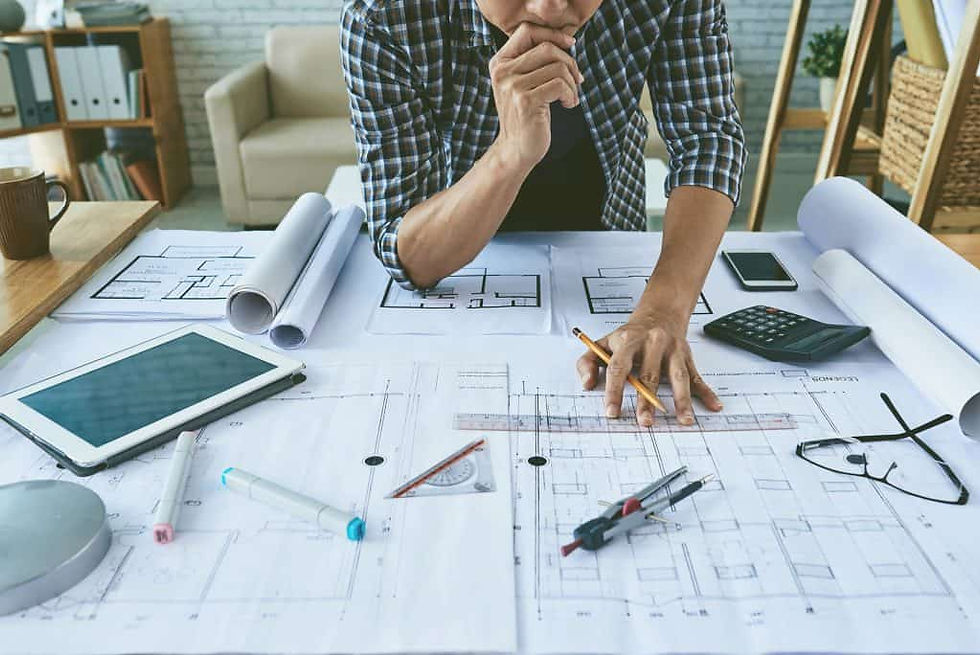
Human-Centered Design in Interior Architecture, Jersey Channel Islands
Human-Centred Design in Interior Architecture

Interior architecture is no longer defined solely by proportion, symmetry, and materiality. While aesthetics and technical precision remain fundamental, the most progressive projects today are shaped by a deeper question:


How does this space make people feel, function, and flourish?m | Human-Centred Design in Interior Architecture

Is the intentional planning of space around the physiological, psychological, and behavioural needs of the people who inhabit it. It is a methodology that integrates architecture, spatial planning, neuroscience, ergonomics, and environmental psychology into one cohesive design philosophy. For practices such as Jessica Lightbody Design, where projects span period renovations, contemporary refurbishments, and spatial reconfigurations, this approach elevates design from surface-level styling to transformative living environments.


Beyond Aesthetics - Designing for Human Experience

Traditional interior design often begins with visual language, colour palettes, finishes, and furniture selection. Human-Centred Design begins instead with how a person moves, rests, interacts, concentrates, and recovers within a space.

This approach asks:

  • Where does natural light enter, and how does it affect circadian rhythm?

  • How does circulation flow reduce friction or stress?

  • Where are the natural pause points within a home?

  • How do acoustics influence mood?

  • What materials create subconscious comfort?

Interior architecture becomes less about “how it looks” and more about how it lives.


The Foundations of Human-Centred Interior Architecture

1. Biophilic Integration

Biophilic design recognises humanity’s inherent connection to nature. In spatial planning and property renovation, this means more than adding plants; it involves embedding natural logic into architectural decisions.

Practical applications include:

  • Orienting primary living spaces toward garden views

  • Framing natural sightlines through architectural openings

  • Using organic materials such as timber, lime plaster, and natural stone

  • Creating transitions between indoor and outdoor environments

  • Designing with natural ventilation pathways

Research consistently shows that exposure to natural light, greenery, and organic textures reduces stress and enhances cognitive clarity. For renovation projects, especially period properties in London and Surrey or heritage homes in Jersey, Channel Islands, biophilic integration can be subtly woven into structural upgrades without compromising architectural integrity.


2. Spatial Flow & Movement Psychology

Human-Centred Design considers how people intuitively navigate space. Poor circulation creates subconscious tension. Thoughtful zoning creates ease.

Key principles include:

  • Clear circulation paths without visual obstruction

  • Logical transitions between public and private zones

  • Avoiding bottlenecks in high-traffic areas

  • Creating “breathing space” around key functional areas

In open-plan renovations, this is particularly important. Without defined zones, spaces can feel chaotic or overstimulating. Through intelligent spatial planning, furniture placement, level changes, lighting hierarchies, zones can be psychologically defined without physical walls.


3. Light as a Biological Tool

Natural and artificial lighting are central to human well-being. Light influences:

  • Sleep quality

  • Mood regulation

  • Hormone production

  • Productivity


Human-Centred Interior Architecture integrates:

  • Layered lighting schemes (ambient, task, accent)

  • Adjustable lighting temperatures for day-to-night transitions

  • Maximised daylight penetration

  • Controlled glare reduction

  • Strategic window placement during extensions

During property renovation, reconfiguring internal layouts to allow light to penetrate deeper into the home often has more impact on well-being than aesthetic upgrades alone.


4. Sensory Ergonomics

Humans experience architecture through all senses, not just sight.

Human-Centred Design considers:

  • Acoustics: Soft furnishings, textured surfaces, and spatial volume planning to prevent echo and stress.

  • Touch: Material tactility, cool stone, warm timber, soft textiles.

  • Thermal comfort: Zoning heating and cooling based on occupancy patterns.

  • Scale & proportion: Ceiling height and spatial compression/expansion to influence mood.

For example, lower ceilings in intimate spaces such as reading rooms create psychological comfort, while double-height volumes in social areas evoke openness and sociability.


Human-Centred Design in Property Renovation

When undertaking refurbishment or structural alteration, the opportunity to embed human-centred principles is at its greatest.

Rather than renovating for resale value alone, this approach asks:

  • Does this extension improve daylight distribution?

  • Does this reconfiguration reduce stress in daily routines?

  • Are storage and circulation supporting real-life behaviour?

  • Is privacy considered in a multi-generational household?

A kitchen extension, for instance, should not merely add square metres. It should enhance connection, light quality, acoustic comfort, and the rhythm of daily life.

In heritage renovations, this approach is particularly powerful. By respecting the original architectural framework while upgrading spatial logic, period properties can be made not just beautiful, but profoundly livable.


Human-Centred Zoning: A Practical Framework

A useful spatial planning method involves dividing the home into psychological zones:

Zone Type

Emotional Function

Design Strategy

Restorative

Recovery & quiet

Soft lighting, muted palette, acoustic control

Active

Energy & productivity

Bright lighting, clear circulation, structured layout

Social

Connection & gathering

Open sightlines, centralised focal points

Transitional

Movement & shift

Gradual lighting changes, visual continuity

This structured approach ensures spaces support behaviour rather than disrupt it.


Why Human-Centred Interior Architecture Matters Now

Post-pandemic living reshaped expectations of the home. Residences are now workplaces, wellness spaces, social hubs, and sanctuaries. Poorly planned interiors create long-term stress. Well-designed spaces reduce cognitive load and improve quality of life.

Luxury clients increasingly value:

  • Well-being integration

  • Sustainable materials

  • Intelligent lighting systems

  • Adaptable multi-use spaces

  • Future-proofed spatial planning

Human-Centred Design aligns perfectly with this evolution, particularly for high-end residential renovations and bespoke interior architecture projects.


The Strategic Advantage of Human-Centred Design

For discerning homeowners and property investors, incorporating human-centred principles adds more than comfort:

  • Increased property desirability

  • Enhanced resale appeal

  • Improved energy efficiency

  • Stronger architectural coherence

  • Elevated daily experience

It represents a shift from decorative design to architectural intelligence.


Designing for People, Not Just Properties

Human-Centred Design in interior architecture is not a trend, it is a return to first principles. Architecture exists to serve human life. By integrating biophilic strategies, psychological zoning, ergonomic planning, and lighting intelligence into renovation and spatial planning projects, interior architecture becomes transformative rather than cosmetic.


interior architecture, human-centred design, spatial planning, property renovation, residential refurbishment, heritage renovation, biophilic design, wellness interior design, architectural zoning, lighting design strategy, high-end residential renovation, Jessica Lightbody Design.


Planning permission for Interior Design services in Jersey
Planning Application | Space Planning


Embarking on a journey to expand and enhance your home through extensions and loft conversions can be an exciting yet intricate process. In Jersey, Channel Islands, where historic charm meets modern living, securing interior design planning permission is crucial. This comprehensive guide aims to demystify the complexities of obtaining planning permission and meeting building control criteria for extensions and loft conversions in this picturesque island.


Understanding the Basics:

Before diving into the application process, it's essential to grasp the fundamental distinctions between planning permission and building control regulations. Interior Design planning permission focuses on the aesthetics and impact of your proposed changes on the surrounding area, ensuring they align with local planning policies. On the other hand, building control oversees the technical aspects, guaranteeing your project adheres to safety and construction standards.


Initial Considerations:

  • Research Local Policies: Familiarise yourself with Jersey local planning policies and guidelines. Each district within the county may have specific regulations, so understanding these nuances is crucial.

  • Engage with Local Authorities: Early engagement with the local planning authority and building control department can provide valuable insights. Pre-application advice sessions are often available to discuss your plans and receive feedback.

Determining Permitted Development Rights:

  • Extensions: In certain cases, you may be able to extend your home under permitted development rights, bypassing the need for planning permission. Understanding the limitations and conditions for permitted development is vital.

  • Loft Conversions: Loft conversions may also fall under permitted development, but restrictions exist. Familiarise yourself with the maximum volume allowances, roof alterations, and other relevant criteria.

Preparing Your Application:

  • Architectural Drawings: Engage a professional architect to create detailed and accurate architectural drawings of your proposed extension or loft conversion. These drawings should showcase the design, dimensions, and external appearance.

  • Supporting Documents: Alongside drawings, your application should include supporting documents, such as a Design and Access Statement, demonstrating how your project aligns with local policies and enhances the character of the area.

Navigating the Planning Process:

  • Submission: Submit your planning application through the local planning authority's online portal. Pay attention to required fees and ensure all necessary documents are included.

  • Public Consultation: Some applications trigger a public consultation process, during which neighbors and stakeholders may provide feedback. Addressing concerns proactively can contribute to a smoother approval process.

Building Control Compliance:

  • Technical Specifications: Simultaneously with the planning process, begin compiling technical specifications for building control. This includes structural plans, insulation details, and fire safety measures.

  • Building Control Application: Submit your building control application, detailing how your project meets structural and safety regulations. The local building control department will review these plans to ensure compliance.

The Decision Process:

  • Approval: If your planning application is successful, you will receive you planning permission. Concurrently, building control will issue a Building Regulation Approval certificate if your plans comply with safety and construction standards.

  • Modifications and Appeals: In some cases, modifications may be requested by the planning authority. If your application is denied, you have the right to appeal the decision.


Embarking on a journey to transform your home through extensions and loft conversions in Jersey involves careful consideration of exterior and interior design planning permission and building control requirements. By navigating the intricate processes with diligence, engaging with local authorities, and ensuring compliance with regulations, you can turn your vision into a reality while preserving the unique character of Jersey's landscape.


Stages of when to expect a visit from Building Control


The timing of the first visit from building control can vary depending on local regulations and the nature of the construction project. In general, building control inspections typically occur at key stages of the construction process to ensure that the work complies with relevant building codes and regulations. Common stages for building control inspections may include:


Foundation Stage: An inspection may be carried out before pouring concrete to ensure that the foundation design and construction meet the required standards.

Damp Proof Course (DPC) Installation: Building control may inspect the installation of the DPC to prevent rising damp.

Structural Frame: Inspections at this stage ensure that the structural elements of the building, such as the frame and load-bearing walls, meet safety and design standards.

Roof Construction: Inspection of the roof structure and covering materials to verify compliance with regulations.

Drainage and Plumbing: Inspection of drainage and plumbing installations to ensure proper functionality and compliance with regulations.

Insulation and Ventilation: Checking insulation and ventilation installations to ensure energy efficiency and compliance with building codes.

Fire Safety Measures: Inspecting fire safety features, such as fire doors, fire-resistant materials, and escape routes.

Completion: A final inspection is typically conducted before the building is occupied to ensure that all work has been completed according to regulations.


Building Regs & Site Inspections

With both Building Regulations applications and building notices, building control will inspect the work to ensure compliance at particular stages. You have to notify the inspector when you have reached the particular stages, and give 24 hours’ notice for them to inspect the work.


BUILDING STAGE

NOTICE REQUIRED

Commencement

2 days

Excavation of foundations

1 day

Foundations laid

1 day

Oversite preparation

1 day

Damp proof course

1 day

Drains testing

1 day

Occupation prior to completion

Within 5 days of occupation

Completion

Within 5 days of occupation


Should you neglect to notify the local authority upon reaching a specific stage, they have the authority to request that you open up the work for inspection at your own cost. Conversely, if their arrival occurs more than 24 hours after the issuance of notice, they are precluded from demanding the removal of the completed work.


After receiving approval, you are permitted to proceed to the subsequent stage. This holds particular significance for self-builders, given that the disbursement of stage payment mortgage funds is contingent upon obtaining approval.


Opting for the services of an approved inspector places the responsibility on them to scrutinise the plans and inspect your construction work. It is imperative that both you and the approved inspector jointly notify the local authority of your proposed building activities.


Upon completion of the project, the approved inspector is obligated to furnish the local authority with a final certificate affirming the conclusion of the work, its inspection, and its conformity with established regulations. For assistance in locating an approved inspector, please refer to the Association of Consultant Approved Inspectors (ACAI) website.


It's important to note that the specific stages and requirements for building control inspections can vary by location. Local building authorities or regulatory bodies often provide guidance on when inspections are required. Builders and contractors should coordinate with building control authorities to schedule inspections at the appropriate stages of construction.


Jersey CI, Jersey Channel Islands, interior designers Jersey, Interior architects Jersey, award winning interior designers Jersey, interior architecture Jersey, Channel Islands interior architects Jersey, Channel Islands interior design Jersey, Channel Islands interior designers Jersey, Channel Islands interior designers Jersey Channel Islands interior design Jersey Channel Islands UK Interior design Jersey, Channel Islands Interior decorator Jersey, Channel Islands Jersey interior designers Home decor Jersey, Channel Islands Interior styling Jersey, Channel Islands Jersey home design Interior renovation Jersey, Channel Islands Jersey interior decorating Modern interior design Jersey, Channel Islands Contemporary interior design Jersey, Channel Islands Residential interior design Jersey, Channel Islands Commercial interior design Jersey, Channel Islands Interior design services Jersey, Channel Islands Jersey interior design trends Best interior designers in Jersey, Channel Islands, Home Renovation Jersey, Property Renovation Jersey,

bottom of page